

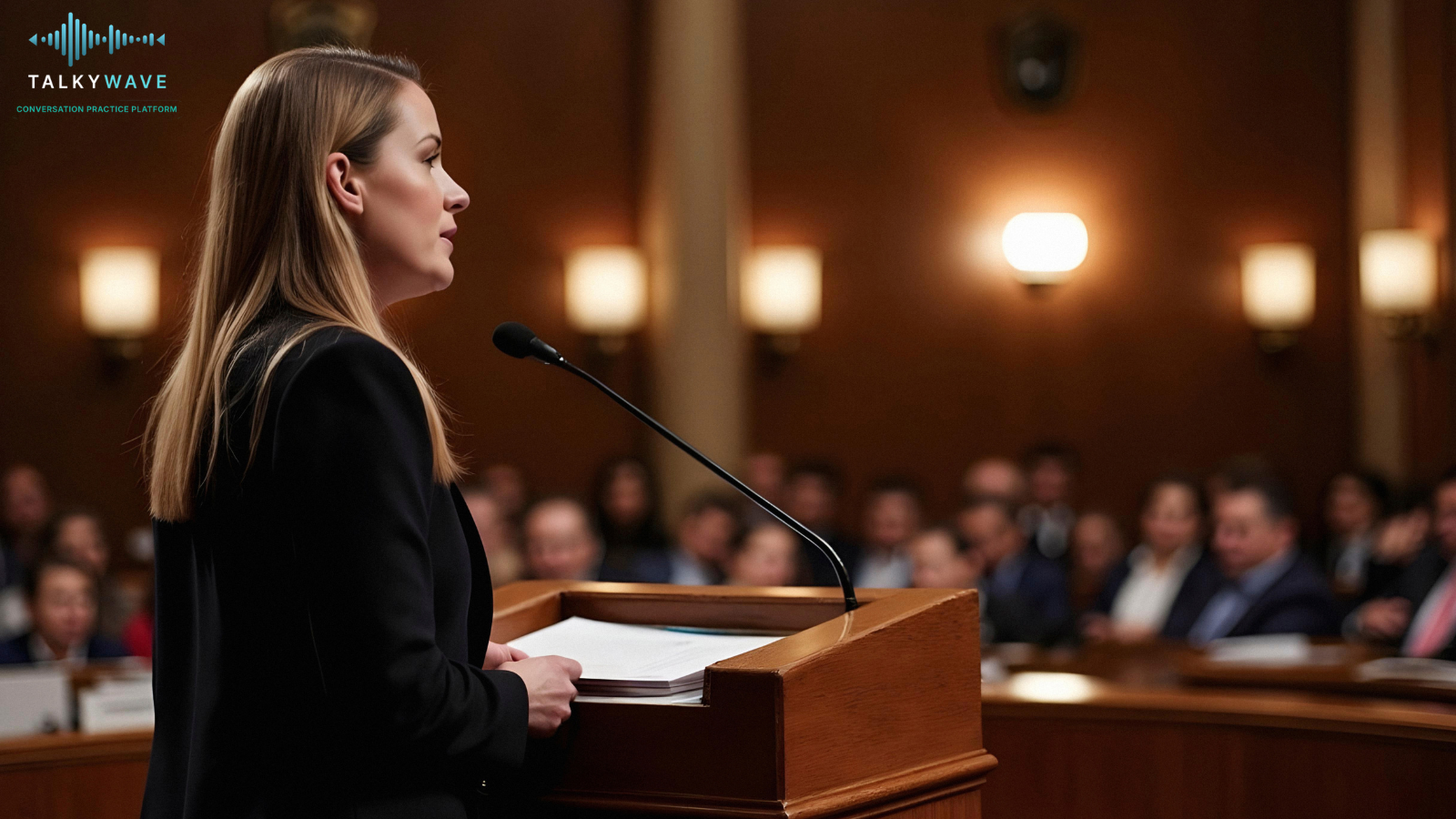
Public speaking is one of the most valuable skills you can develop, whether you’re presenting at work, speaking in meetings, attending interviews, or communicating with new people. Strong communication can help you build confidence, share ideas clearly, and create meaningful connections. The good news is that public speaking is a skill that anyone can improve with practice and consistency.
Many people struggle with public speaking skills because they fear making mistakes, being judged, or forgetting what they want to say. However, even experienced speakers started as beginners. By focusing on gradual improvement and regular practice, you can become a more confident and effective communicator.
1. Practice Regularly
Like any skill, public speaking improves with practice. Try speaking aloud every day, even if it’s just for a few minutes. Practice introducing yourself, explaining a topic, or sharing your thoughts on current events.
2. Know Your Audience
Understanding who you’re speaking to helps you choose the right tone, language, and examples. When your message is relevant to your audience, they are more likely to stay engaged.
3. Prepare Your Key Points
Instead of memorizing every word, focus on your main ideas. This makes your speech sound more natural and helps you stay flexible if you lose your place.
4. Work on Your Body Language
Confident body language can strengthen your message. Maintain eye contact, stand comfortably, and use natural gestures to support your points.
5. Slow Down Your Speech
Many people speak too quickly when they are nervous. Take your time, pause when needed, and allow your audience to absorb your message.
6. Record and Review Yourself
Recording your practice sessions can help you identify areas for improvement. Pay attention to your voice, pacing, body language, and overall delivery.
At this point, many people ask, “How can I improve my public speaking skills?” The answer is simple: consistent practice, constructive feedback, and real-world speaking experiences. The more opportunities you create to speak, the more comfortable and confident you will become.
7. Focus on Your Message
Instead of worrying about how you look or sound, concentrate on the value you’re providing. When you focus on helping your audience, your confidence naturally increases.
8. Learn to Manage Nervousness
Feeling nervous before speaking is completely normal. Deep breathing, positive visualization, and preparation can help reduce anxiety and improve performance.
9. Join Conversations More Often
Public speaking is not limited to presentations. Participating in discussions, meetings, and social conversations can strengthen your communication skills and build confidence over time.
10. Use Technology to Practice
Modern tools can make speaking practice easier and more accessible. Platforms like Talky Wave allow users to practice real conversations in a comfortable and judgment-free environment. By engaging in natural voice interactions, users can build confidence and improve their speaking abilities at their own pace.
Final Thoughts
Improving your public speaking skills does not happen overnight, but small daily efforts can lead to significant results. Focus on regular practice, preparation, confidence-building, and real-world communication opportunities. Remember that every great speaker started with uncertainty and improved through experience.
With dedication, patience, and the right tools such as Talky Wave, you can become a more confident speaker and communicate effectively in both personal and professional situations. Start practicing today, and you’ll be surprised by how quickly your confidence grows.