

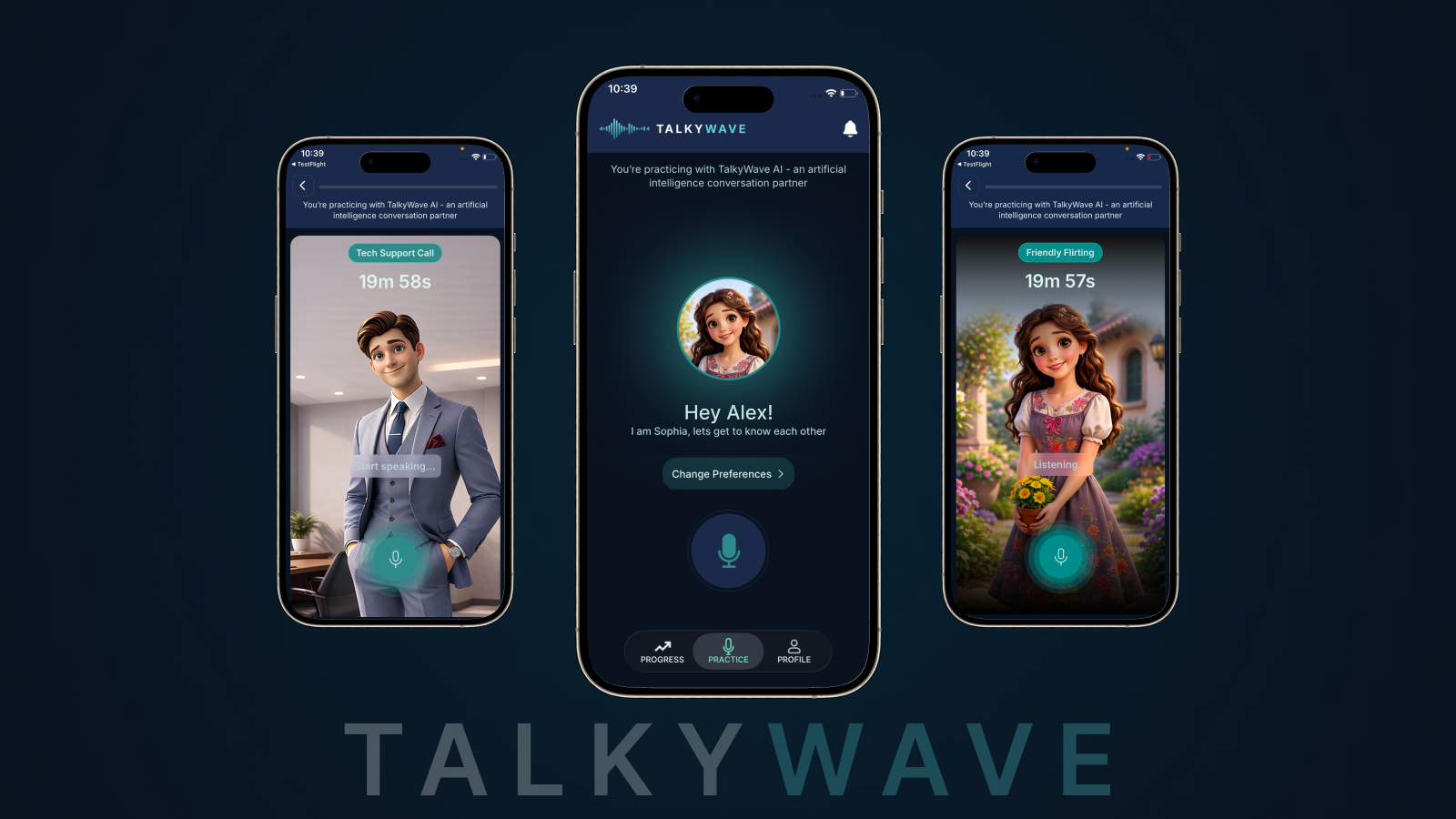
Public speaking is one of the most valuable skills you can develop, whether for your career, education, or personal growth. Many people struggle with nervousness, stage fright, or the fear of being judged when speaking in front of others. The good news is that public speaking is a skill that can be learned and improved over time. Today, technology has made learning easier than ever, and an app to improve communication skills can help you practice conversations, build confidence, and become a more effective speaker.
If you’ve ever wondered why some people speak confidently while others struggle, the answer is usually practice. Great speakers are not born with exceptional communication abilities; they develop them through continuous learning and experience.
Why Public Speaking Matters
Public speaking is more than standing in front of a crowd and delivering a speech. It involves expressing your thoughts clearly, connecting with your audience, and communicating your message effectively.
Strong public speaking skills can help you:
Build confidence
Advance your career
Improve leadership abilities
Perform better in interviews
Communicate ideas effectively
Create stronger personal and professional relationships
Whether you’re presenting in a meeting or speaking at an event, confidence in communication can make a lasting impression.
Common Challenges Beginners Face
Many beginners experience the following:
Fear of making mistakes
Nervousness before speaking
Difficulty organizing thoughts
Lack of confidence
Fear of audience judgment
These challenges are completely normal. Even experienced speakers sometimes feel nervous before important presentations. The key is learning how to manage those feelings and continue practicing.
Practical Ways to Improve Your Public Speaking Skills
1. Practice Regularly
The more you speak, the more comfortable you become. Start by practicing in front of a mirror, recording yourself, or speaking with friends and family.
Consistency is more important than perfection. Small daily practice sessions can lead to significant improvements over time.
2. Prepare Your Content
One of the biggest reasons people feel nervous is a lack of preparation. Before any presentation or speech, take time to organize your ideas and understand your topic thoroughly.
A clear structure helps you stay focused and reduces the chances of forgetting important points.
3. Focus on Communication, Not Perfection
Many people hesitate because they want every word to be perfect. Instead of aiming for perfection, focus on delivering your message clearly.
Audiences generally appreciate authenticity more than flawless delivery.
How to Improve My Public Speaking Skills Faster
If you’re asking yourself how to improve your public speaking skills, one of the best approaches is to seek regular opportunities to speak. Join discussion groups, participate in meetings, volunteer for presentations, or engage in conversation practice whenever possible.
Each speaking opportunity helps you become more comfortable expressing yourself. Over time, your confidence grows naturally as your experience increases.
Additionally, pay attention to body language. Maintaining eye contact, using natural gestures, and standing confidently can make a significant difference in how your message is received.
Use Technology to Build Confidence
Technology has transformed the way people learn communication skills. AI-powered platforms can now simulate conversations, provide feedback, and help users practice speaking in a supportive environment.
Talky Wave is designed to help individuals improve communication skills through conversation practice and confidence-building exercises. By practicing regularly in a judgment-free environment, users can strengthen their speaking abilities and become more comfortable in real-world situations.
Learn from Great Speakers
Another effective strategy is to observe skilled communicators. Watch presentations, TED Talks, interviews, and public speeches. Pay attention to how speakers use pauses, tone, body language, and storytelling techniques.
Learning from successful communicators can provide valuable insights that you can apply to your own speaking style.
Conclusion
Improving your public speaking skills is a journey that requires patience, practice, and persistence. While nervousness is natural, consistent effort can help you become a more confident and effective communicator.
With tools like Talky Wave, regular conversation practice, and a willingness to step outside your comfort zone, you can develop strong public speaking abilities that benefit both your personal and professional life. Remember, every great speaker started as a beginner—the key is to keep practicing and never stop learning.