

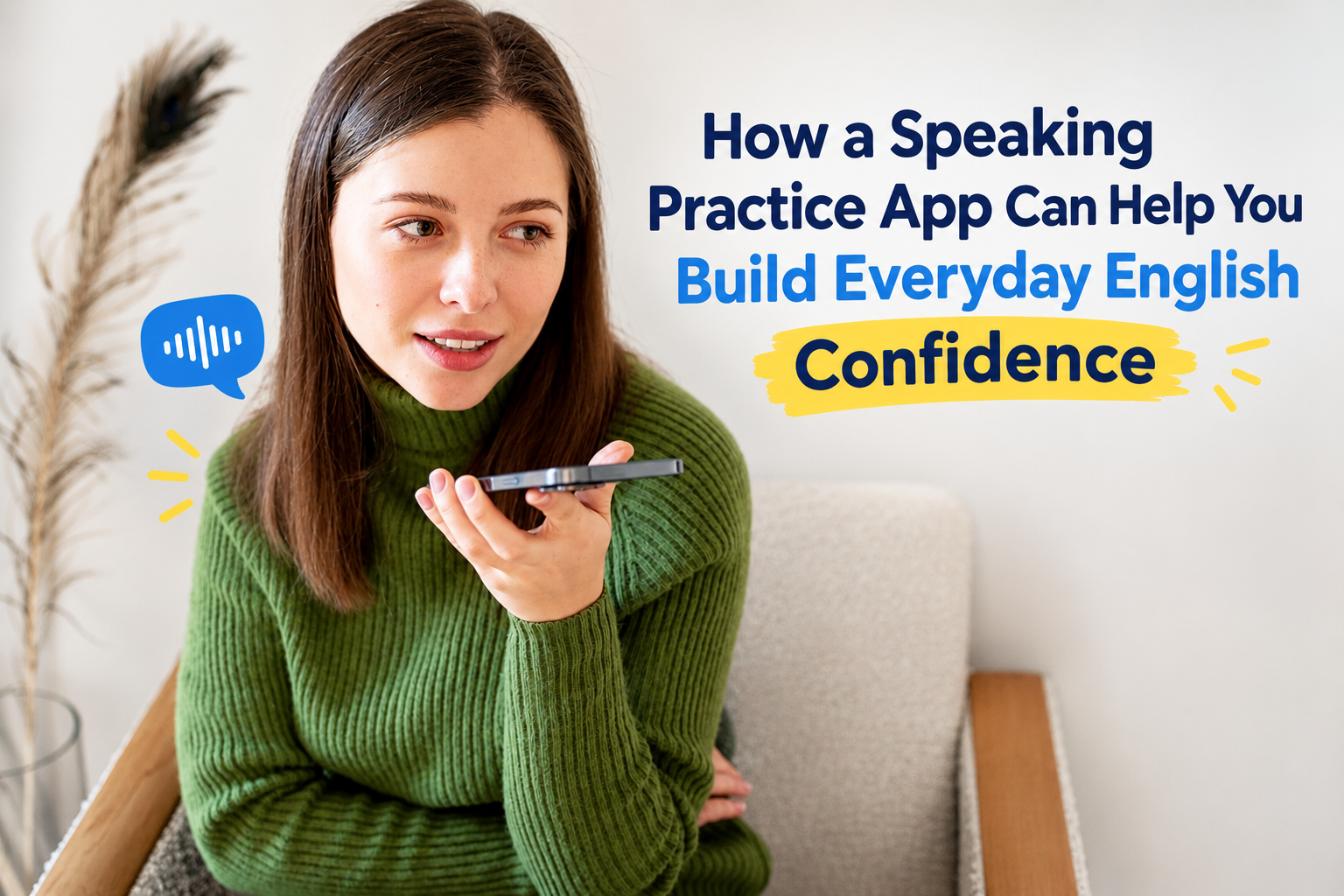
Speaking English confidently is not always about knowing more vocabulary or memorizing grammar rules. Many people understand English well but hesitate when they need to speak in real situations. They may worry about making mistakes, forgetting words, or being judged by others. Regular speaking practice can help reduce this hesitation and make conversations feel more natural.
An AI English-speaking app can make this practice easier by giving learners a convenient way to have conversations whenever they have time. Instead of waiting for a speaking partner, users can practice different conversations and gradually become more comfortable expressing their thoughts in English.
Why Everyday Speaking Practice Matters
Learning English from books, videos, or grammar exercises can build a strong foundation, but speaking requires a different type of practice. When you speak, you need to think about vocabulary, sentence structure, pronunciation, and meaning at the same time.
This is why consistent practice is important. Even spending a few minutes each day speaking English can help you become more comfortable forming sentences. Over time, regular practice can make it easier to respond without translating every sentence in your head.
Practice Without the Pressure of Real Conversations
One common reason people avoid speaking English is fear of making mistakes. They may know what they want to say but become nervous when speaking with another person.
A speaking practice app can provide a more comfortable environment for practicing conversations. You can repeat a conversation, try a different response, or practice the same situation several times. This allows you to learn from mistakes without feeling embarrassed.
The goal is not to speak perfectly from the beginning. The goal is to become more comfortable speaking and gradually improve through practice.
Practice Real-Life Situations
Useful speaking practice should connect with situations you may experience in everyday life. For example, you might practice introducing yourself, ordering food, asking for directions, attending a meeting, preparing for a job interview, or having a casual conversation.
This type of practical practice helps you build language skills that can be used outside the app. Instead of simply memorizing individual words, you learn how to use them naturally within conversations.
How a Speaking Practice App Can Build Confidence
A speaking practice app can support confidence by allowing you to practice regularly and at your own pace. You can choose when to practice and repeat conversations whenever you need additional experience.
For example, imagine that you have an upcoming job interview in English. You can practice common interview questions before the actual interview. Repeating your answers can help you become more familiar with the vocabulary and sentence patterns you want to use.
The same approach can work for travel, workplace communication, presentations, social conversations, and other everyday situations.
How Talky Wave Supports English Speaking Practice
Talky Wave is designed for people who want to become more comfortable speaking English through realistic conversations. Its AI conversation experience allows users to practice speaking in different situations without depending on a human speaking partner.
Instead of focusing only on traditional lessons, Talky Wave encourages users to actually use English through conversations. Regular practice can help you become more comfortable expressing ideas, answering questions, and continuing a conversation.
The flexibility of AI-based practice also makes it easier to fit speaking practice into a busy routine. You can practice during a short break, at home, or whenever you have a few minutes available.
Make Speaking Practice Part of Your Routine
The biggest benefit comes from consistency. You do not necessarily need to spend hours practicing every day. A short, focused conversation can be useful when repeated regularly.
Try setting aside 10–15 minutes each day for English speaking practice. Start with familiar topics, then gradually move toward more challenging conversations. Pay attention to the words you struggle with and try using them again during your next practice session.
You can also record useful phrases or expressions that you want to remember and use them in future conversations.
Final Thoughts
Building English confidence takes time, patience, and regular speaking practice. Understanding English is an important first step, but using the language regularly can help turn knowledge into practical communication skills.
With tools such as Talky Wave, learners can practice realistic conversations, become more comfortable speaking, and develop confidence at their own pace. The key is to keep practicing, accept mistakes as part of the process, and focus on communicating rather than trying to speak perfectly every time.